The Balancing Act of Mandatory School Reading and Personal Reading
Reading is one of the most magical and creative pastimes one can have. Everyone can read in their own way, focusing on their unique tastes and interests.`Why people read depends on the person. Some find reading comes naturally, while others may struggle more with it. Either way, all reading is good reading, and that should always be encouraged.
For children, it is especially important to foster their love of literature from a young age. Often, their exposure to reading comes from bedtime stories or other picture books. As they get older, they are taught to read in school. With that comes mandatory school reading. In an ideal world, this encourages them to read independently at home.
Balancing mandatory school reading with personal reading can be tricky. One setting “forces” them to read, while the other is completely optional. The different expectations for reading can instill conflicting feelings in children. This article will discuss the balancing act between school and at-home reading.
The Importance of School Reading
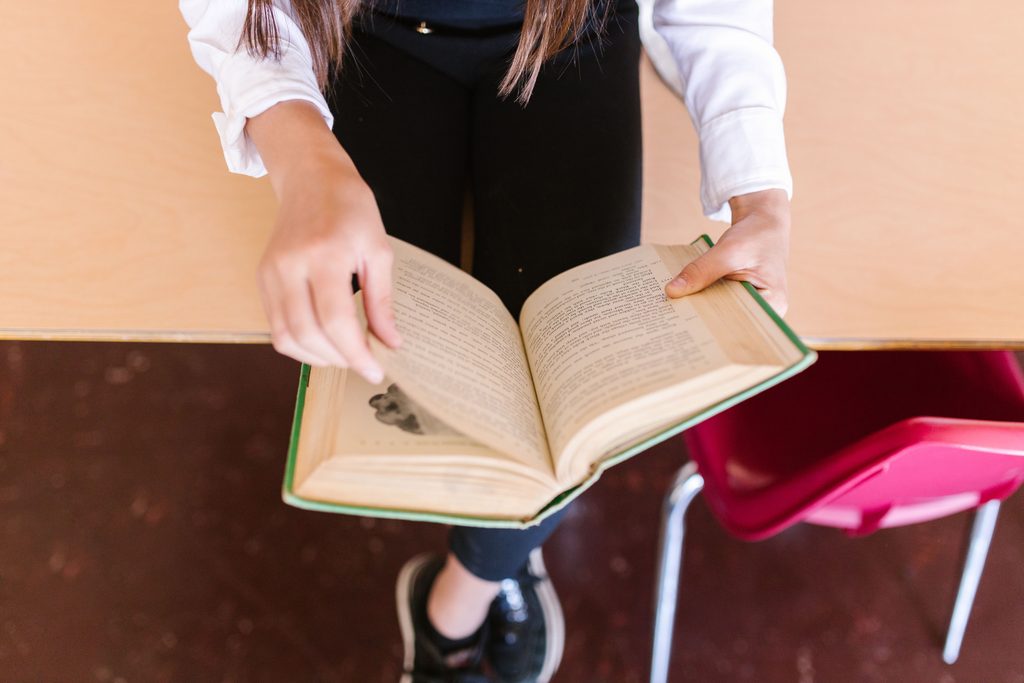
At nearly every grade level, students are given mandatory reading. For the younger ages, this reading can come as simple books. These books are as simple as picture books with one or two sentences on each page. The goal here is to ease children into the larger world of literature. Starting simple is the way to get literary skills on track.
As children get older and smarter, their reading becomes more advanced. The shift can be gradual and match the student’s reading level. Nevertheless, students are exposed to a large variety of reading materials. With that comes increased levels of analysis of the books. Early picture books are focused on the fundamentals of reading; chapter books become more about the content than the basics.
Reading is crucial and foundational at every level. Schools play a vital role in ensuring that children learn to appreciate the art of reading. The goal is then for students to want to take that skill home with them.
The Importance of Personal Reading
Once somebody knows how to read, it is important that they carry that through their personal life. Reading at home has a different purpose than reading for school. There is usually never a mandate to read. People who read in their free time do so for their love for literature. While schools often guide the reading material for their students, reading at home opens up their literary options.
Reading in one’s personal life can even stretch into their interpersonal activities. For example, someone may join a book club and connect with others through shared reading lists. From a young age, children can form their personal tastes and make friends based on what they choose to read. This allows reading to help someone shape their identity.
For students, a supportive family system at home often boosts their appetite for literature. Some children may come to it naturally, but others might need a push from their family. Reading has proven benefits on shaping the brains of children from a young age.
How to Balance the Two
Balancing reading at school and reading at home can be tricky. Children may become bored of reading after school. To encourage reading outside of school, one’s parents can emphasize reading more when schoolwork is lighter. This allows the child to focus on their mandatory school reading and shift to for-fun reading as needed.
Another tip is to find what each child likes to read and support them to find those types of books. If they are compelled to read books they do not like, it might discourage future reading. Their school reading list might not be up their alley, so suggesting books more in their wheelhouse can encourage them.
There is no single right way to balance these two types of reading. It is ultimately up to each parent and child to find the right fit for them. If you are looking for more books to read with your children, see Cloverly Children’s catalog of recent releases!