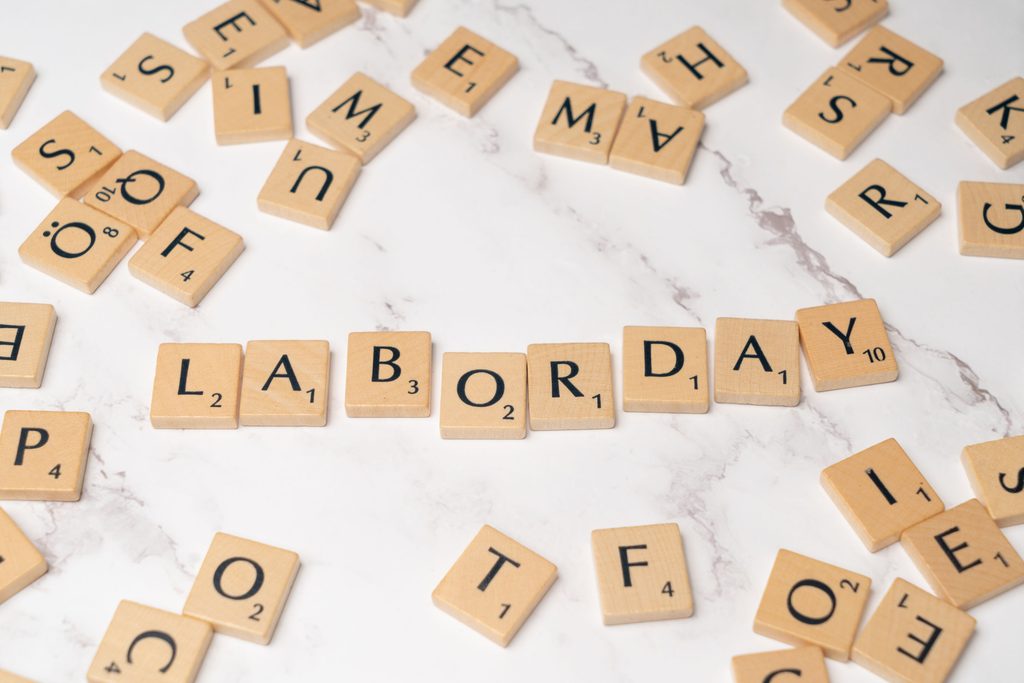
Using Literature as a Tool for Embracing Labor Day
The first Monday of September is Labor Day, America’s only national holiday dedicated to every worker across the country. This day, in addition to its stated purpose, also announces the unofficial end of summer. Students’ summer breaks are ending, temperatures are easing, and reality sets back in. Even though summer does not officially end for more than two weeks, Labor Day marks the incoming fall season.
As simple as that may seem, the day goes much deeper than that. The day is the result of decades and decades of activism among labor leaders. Without the work of these organizers and activists, American workers would have suffered for generations. As such, it is important to honor the labor movement every year.
This September 7, Americans will gather and honor the American workforce. Whether at a barbecue, parade, or fair, there are countless ways to celebrate. One unexpected, yet effective, way to honor workers is through literature. This article will highlight the contributions of literature to understanding Labor Day and its history.
Labor Day: Activism to National Holiday
As with most national holidays, Labor Day had a long journey to fruition. Before it was celebrated around the country, local unions had to advocate for a day to celebrate workers. The Central Labor Union in New York was one of the loudest voices advocating for a national Labor Day. This union’s advocacy provided a groundwork for generations to come.
The Central Labor Union’s advocacy for a day of celebrating workers paid off. On September 5, 1882, New York City celebrated the nation’s first Labor Day. The first Labor Day, following the initial suggestion for Labor, was a festive occasion. There was a large-scale parade and other street festivities with thousands of spectators and marchers. It was a joyous, rowdy, and standard-setting event that future Labor Days were modeled after.
President Grover Cleveland officially proclaimed Labor Day a national holiday in 1894, set for the first Monday in September. Making Labor Day a national holiday was a huge success for the labor movement. Every year, the country honors the impact and importance of this country’s workers throughout its history.
Reading and Writing About the Spirit of Labor Day
Every holiday is a chance to learn more about history. There is not a single correct way to celebrate any holiday. While common Labor Day celebrations focus on outdoor gatherings and parades, there are other ways to honor the workforce. One way is to read and write about Labor Day and related topics.
Nonfiction Books for Labor Day
One of the most direct ways to learn and embrace Labor Day is through nonfiction. This is a golden opportunity to learn about the origins of Labor Day and generations of labor movements. There are various types of nonfiction that can achieve these goals, including biographies, historical texts, and philosophy books.
These nonfiction books do not have to be explicitly about Labor Day or historical labor practices. Instead, they can be more theoretically or thematically related to workers’ movements over centuries. Any nonfiction book about workers and labor movements can be thought provoking and insightful reads leading up to Labor Day.
If you choose to write a book that honors the spirit of Labor Day, that can be similarly stimulating. Writing nonfiction books requires research and fact checking, which will only grow your knowledge of the subject matter. Whether researching real-life figures, events, or philosophies, you will grow as a labor-minded thinker.
Fiction Books for Labor Day
A more indirect way to capture the spirit of Labor Day is through reading and writing fiction. Instead of focusing on the real-life historical basis of the day, fiction can take a more creative approach. There is no limit to what a fiction book honoring Labor Day can be about.
For example, reading or writing novels and other prose can impart themes of the larger labor movement. These books can be directly about labor leaders, Labor Day, or just working-class struggles. The ideologies that uplifted Labor Day can be implicit or explicit in any novel’s plot, characters, themes, and dialogue.
Lyrical works such as poetry and songs can also be a creative outlet for honoring Labor Day. Reading and writing more abstract pieces of writing can activate different parts of one’s brain. The working-class themes can be masterfully employed in poetry and songwriting, which is how some people best process complex themes.
No matter how you celebrate Labor Day, it is a day to honor the American labor movement. Workers have, and still do, fight for their rights, and Labor Day celebrates that. Use this day as an opportunity to expand your literary interests even further.