How to Use Storyboarding as a Tool for Success
The key to a successful book is a strong structure. A thorough storyboard will help build this robust backbone of your story. Children’s books come in all shapes and sizes, and you can use a storyboard for all of them.
Similarly, there is not a single template for a storyboard to follow. There are, however, common elements to take into account when creating your own storyboard. This guide will help you begin your storyboarding process, but customize it in ways that will help you.
Storyboarding 101
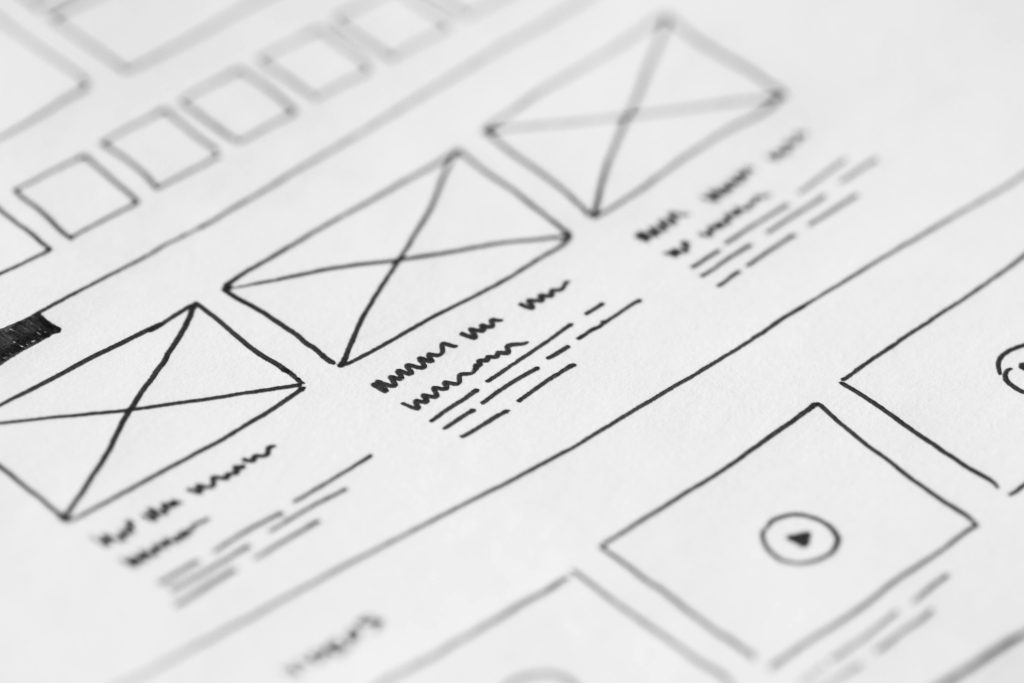
At the simplest level, a storyboard is a map of all the elements of your book. It is often a series of individual elements that make up your story, all laid out in front of you. This is a visualization tool that gives you a bird’s eye view of your book. Storyboards are often done on physical paper, usually with index cards or sticky notes. This allows you to be hands-on in the process.
It is most important to be consistent with your storyboard from start to finish. Each index card or sticky note should feature one element of your story. What those elements are can vary based on the type of story you are telling. Just make sure you have enough paper on hand for your full story.
Once you write all the elements of your prospective book, you will then arrange them in order. This will be a direct visualization of your book’s flow, as you are imagining it. Every important plot beat, character arc, and action piece will be sequentially placed in front of you. With this, you can rearrange, add more, or take away elements.
Starting the process of writing a book can be daunting. The main purpose of a storyboard is to clarify the many ideas you have of what you want to write. Many people find it helpful to have a set organizational structure when beginning to write.
Common Elements of a Storyboard
The elements of your storyboard are based on what your book needs. However, this will often include plot points, characters, and drawings (rudimentary or polished). Again, you can extend this to whatever you need to structure.
Plot Points
The plot of your book will likely take up a bulk of your storyboard. This guides the entire narrative of your book, no matter the length or genre. Without a compelling plot, your writing can feel aimless. Seeing how your story flows between plot points will be invaluably helpful in writing your book.
Having your plot in front of you will easily allow you to see where you need to do additional work. Physically moving your elements around will empower you to make beneficial changes. You might even see what parts of your story need more meat, or what may be overstuffed. Use this process to help you.
Characters and Dialogue
Second to the plot, your characters are what readers latch onto. Especially for children’s literature, characters are key. The most memorable characters in children’s books are ones that kids always want to rejoin. You want to create distinct characters that will be immediately recognizable to all readers.
Each character index card or sticky note should focus on one character. It can include their background, motivations, important plot points, and relationships to other characters. You can also include pieces of dialogue you want them to speak. Make these cards as detailed as you see fit for the story you are telling.
Illustrations
Storyboards for all books can feature illustrations — they are especially helpful for children’s books. Picture books are a natural source for this, but even non-picture books can use drawings in their storyboards.
For picture books, illustrations are key for what the story will show and what the final product may look like. These don’t have to be indicative of the final book, but it can lay the groundwork for your illustrator. For non-picture books, the storyboard drawings can be what you want the audience to picture while reading. You can use this to guide your writing to produce words that evoke these images.
Book Structures
A general rule of thumb for narrative plots revolves around a three-act structure. Most stories across media follow this, representing a beginning, middle, and end. These do not have to be explicit divisions in the book, just general guidelines for writing.
The Beginning
The beginning of your book, or the first act, sets up your book: the characters, setting, plot, etc. This is what draws the audience into your text and keeps them interested in reading the rest until the end. You do not have to stretch this out; set up your elements before moving on.
The Middle
The biggest section of your book will be the second act, or the middle and climax. This is the part of your book where the setup from the first act truly gets set in motion. The gears of the story pick up here and become the most eventful.
The plot beats of this section build to your story’s climax. This is the ultimate culmination of the conflict you explore from the beginning. Think of the climax as the big battle of an action movie, or the final game in a sports movie. The emotional stakes you set up earlier pay off here to a satisfying end.
The End
The end of your book wraps up the storylines and plot elements you featured earlier. It comes after the climax and is an emotional resolution of the themes you are exploring. This section should not be overly long because you do not want to drag the reader along after the main action of your book is done. If your book is standalone, make sure your characters have satisfying farewells to the audience. If you want to continue these characters’ stories, feel free to leave the ending open for continuation. End your book in a way that makes the most sense to you and the story you are telling.
Storyboarding Later in Writing
Your storyboarding process does not have to happen before you start writing. You can create a storyboard based on a completed draft of your story. This method can be helpful for writers who like to let their words flow freely. Once they get their ideas on the page, creating a storyboard can help with the editing process. Seeing the story you wrote broken down into elements in front of you shows you what revisions your story needs.
Whenever or however you decide to storyboard, customize your process to your own needs. Your storyboard is for your eyes only, so make sure it is effective for the story you are telling.